Reach Retail Customers Before, During, and Closer to Purchase
Retail advertising works best when the message appears at the right moment. A customer may first notice your brand on the road, see it again near a shopping destination, and then encounter it closer to the store, product, offer, or final purchase decision.
Outdoor advertising for retail brands in Saudi Arabia can combine roadside billboards, digital screens, mall media, retail displays, in-store communication, and activations around the real customer journey.
Retail campaigns should not stop at visibility.
The strongest media plan helps turn awareness into store consideration, product discovery, customer interaction, and a clearer reason to buy.
Total Locations
Ad Types
Saudi Cities
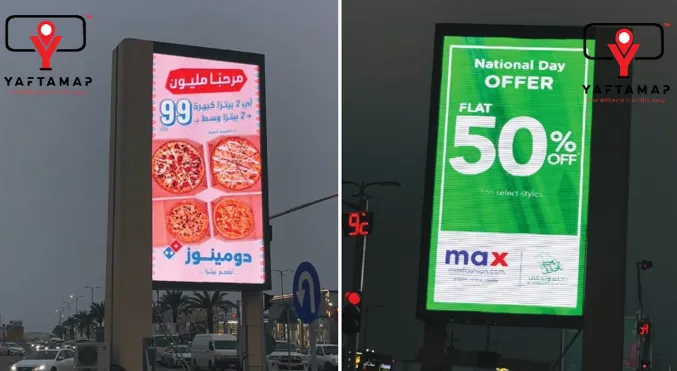
Retail Advertising Starts with the Customer Journey
A retail customer does not always move directly from seeing an ad to making a purchase. They may notice the brand during a commute, see the message again near a shopping destination, compare products inside a mall, visit the store, and decide later when the product, offer, timing, and experience feel right.
This is why retail OOH should be planned as a sequence of relevant touchpoints. A roadside billboard can build awareness before shoppers reach the destination. A digital screen can reinforce a launch or offer. Mall and retail media can make the message more relevant when attention is closer to the product and the final decision.
A retail media plan should answer one core question:
where can the brand create awareness, interest, and action at the moments that matter most to the shopper?
Choose the Retail Campaign Objective First
Not every retail campaign needs the same outdoor advertising approach. A new store opening needs a different media plan from a seasonal promotion. A fashion collection launch needs a different creative direction from a restaurant menu announcement, a supermarket offer, a beauty product launch, or an electronics campaign.
Build familiarity with the brand, store network, product category, or retail destination.
Create awareness around a new branch, location, retail concept, or destination launch.
Introduce a new menu, collection, product, service, seasonal item, or limited release.
Support a clear retail offer, campaign period, store visit objective, or customer action.
Once the objective is clear, the campaign can decide whether it needs broad visibility, local store awareness, digital flexibility, retail media, mall placements, in-store communication, or a combination of several formats.
Roadside Billboards Build Awareness Before the Store
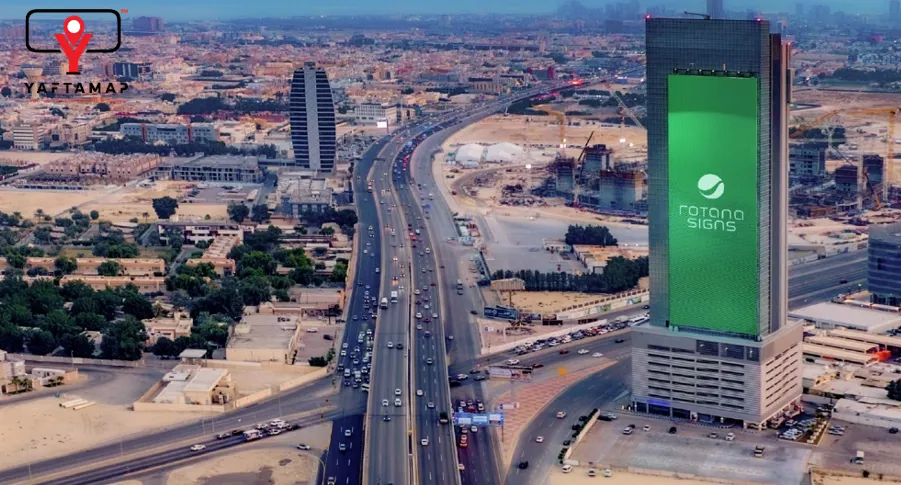
Roadside billboard advertising can introduce a retail brand to customers before they arrive at a shopping destination. It may support a brand launch, new store opening, retail campaign, seasonal offer, or product category. The key is choosing locations that are connected to the audience, city, district, route, or commercial activity that matters to the brand.
A billboard near a relevant retail area may be useful, but proximity alone is not enough. The location should also have suitable visibility, correct traffic direction, enough viewing time, and an audience that matches the intended customer profile.
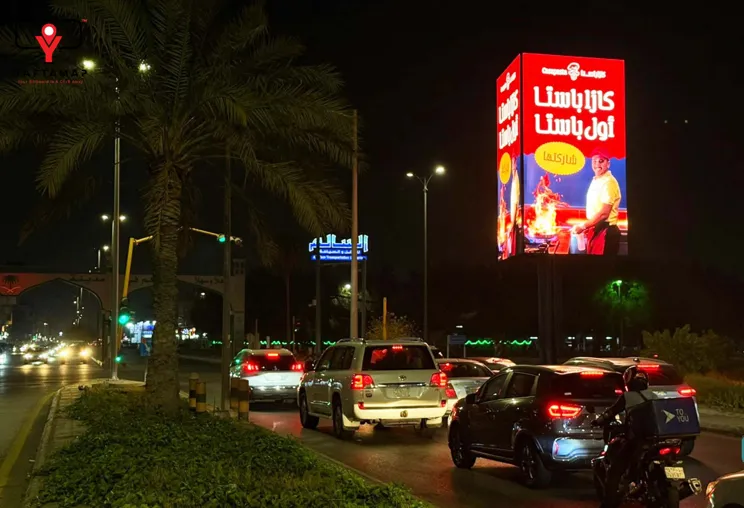
Roadside retail media may support:
- New store and branch openings
- Brand awareness across key city districts
- Seasonal campaigns and promotional periods
- Shopping destination awareness
- Product launch support before shoppers reach the store
- Retail campaigns that need repeated visibility
To understand how location affects campaign value, read
Choose a Billboard Location in Saudi Arabia
.
It explains how audience, traffic, visibility, city, route, and campaign objective should influence the final media selection.
Digital Screens Bring Retail Messages Closer to the Moment
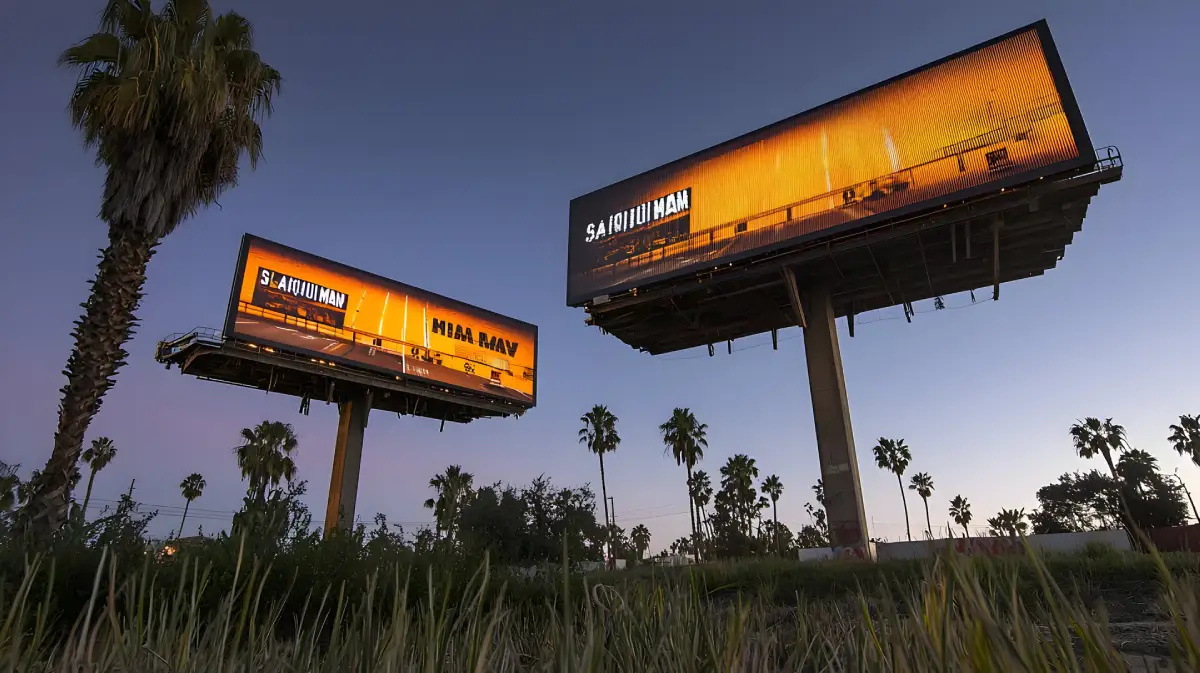
Digital out-of-home advertising can help retail brands present more flexible content. Depending on the available screen format and campaign arrangement, digital screens may support product launches, dynamic creative, motion graphics, changing campaign messages, timed offers, or multiple visual versions.
Digital formats can be especially useful when the retail message has a time-sensitive element, such as a collection launch, a new menu, a seasonal product, a short campaign period, or a promotional message that needs stronger visual energy.
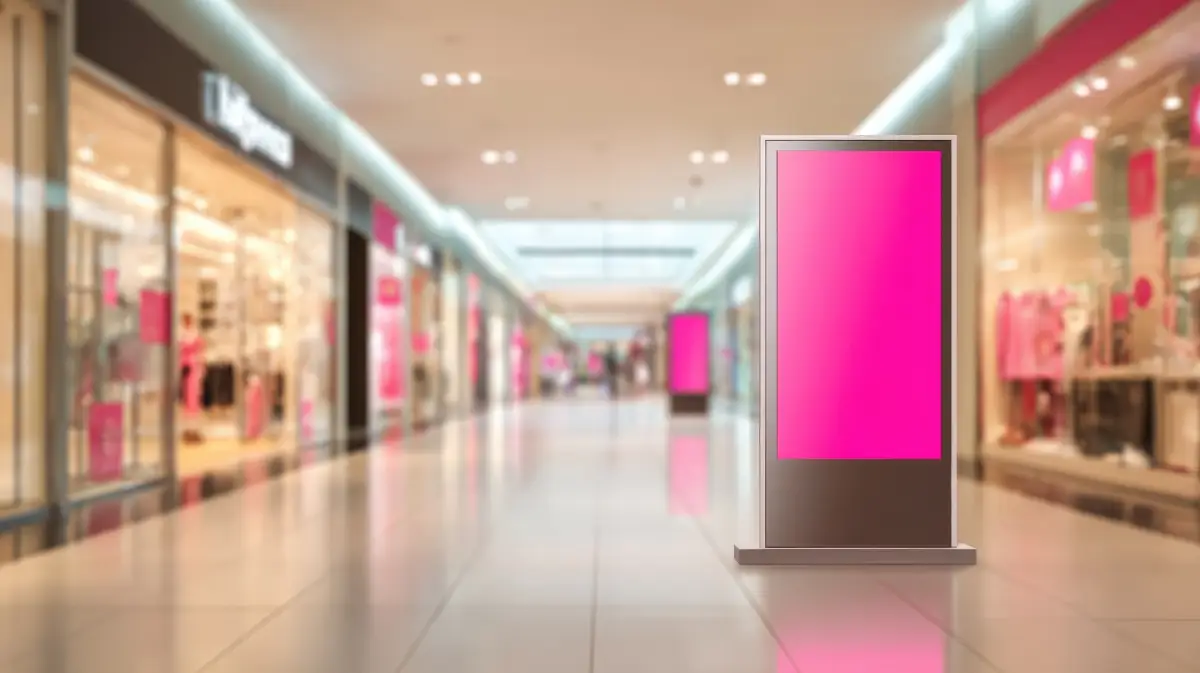
Digital retail screens can reinforce product, offer, or brand messages in high-attention shopping environments.
If you are deciding between fixed roadside creative and digital screen content, explore
Digital Billboard vs Static Billboard
.
The guide explains how campaign objective, content flexibility, location, duration, and creative requirements influence the choice.
Mall and Retail Media Reach Shoppers Closer to Purchase
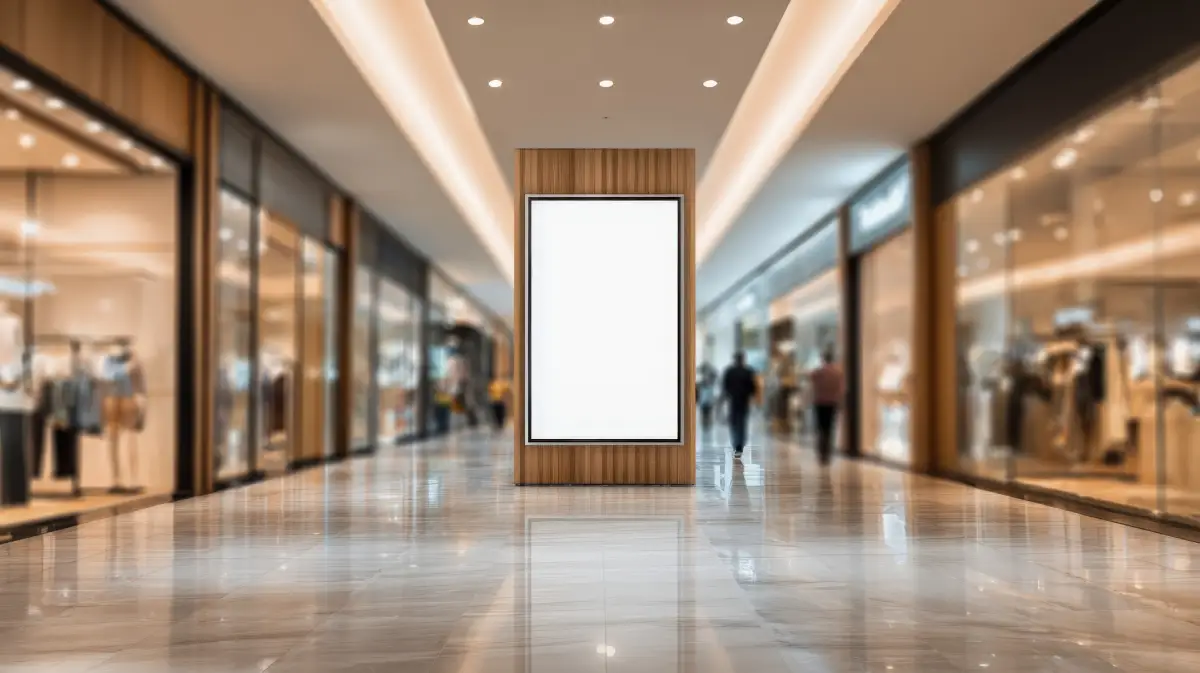
Retail advertising can become more relevant when it appears inside the shopping environment. Mall and retail media can place the message near store corridors, entrances, atriums, escalators, food courts, digital screens, kiosks, retail displays, and other moments when customers are already browsing, comparing, waiting, or preparing to buy.
The right retail placement depends on what you want shoppers to do. A fashion brand may need repeated visibility along the route to its store. A restaurant may benefit from food-court media. A beauty brand may need a display closer to retail traffic. A technology brand may prefer a digital screen, product display, kiosk, or activation.
| Retail Objective | Potential Retail Media Format | Main Opportunity |
|---|---|---|
| Brand visibility inside a shopping destination | Mall entrance branding, atrium display, panels, digital screens | Create recognition during arrival and movement |
| Store visits or retail awareness | Store corridor media, escalator branding, mall screens | Reach customers while they move through the mall |
| Product trial or direct engagement | Kiosks, sampling, product displays, activations | Create direct interaction with the product or brand team |
| Point-of-purchase support | In-store displays, shelf communication, retail screens | Support the customer when comparing products or making a final choice |
For a deeper look at formats, costs, and planning considerations, read
Mall Advertising in Saudi Arabia: Costs & Planning
.
You can also explore Yafta Map’s
Mall & Retail Advertising services
to request a tailored recommendation.
In-Store Advertising Turns Attention into Action
In-store advertising takes the campaign closer to the decision point. Instead of communicating with someone who is only travelling toward a shopping destination, the message appears when customers are inside or near the retail environment where products are being viewed, compared, considered, or purchased.
This may include digital retail screens, product displays, shelf communication, promotional signage, product demonstrations, sampling, QR-led activations, retail counters, or messaging near the point of purchase. The best format depends on the product category, customer journey, campaign objective, and store environment.
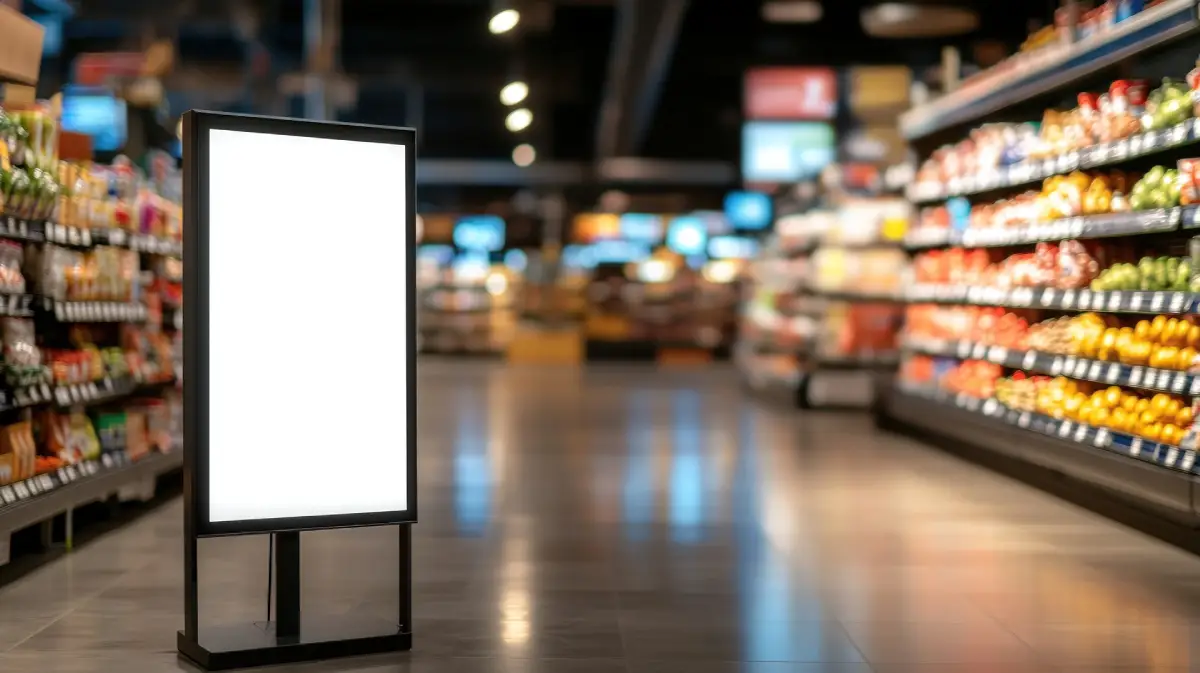
In-store media can connect the advertising message with the moment customers compare, choose, or purchase.
Retail Campaign Ideas by Business Category
Different retail categories need different creative messages, media environments, and campaign journeys. The best media mix depends on what customers are buying, how often they buy it, where the decision is made, and how quickly the campaign needs to influence action.
Use strong visual identity, seasonal collection awareness, mall media, store corridors, retail screens, and destination-led placements.
Support store openings, food-court awareness, menu launches, new offers, nearby routes, and high-frequency retail locations.
Use digital screens, product demonstrations, mall placements, interactive media, launch campaigns, and strong visual storytelling.
Build awareness around offers, product lines, store locations, seasonal campaigns, and point-of-purchase communication.
Retail Creative Must Be Clear at a Glance
Retail creative should communicate one clear reason to notice the brand. That may be a new product, a store opening, a collection, a seasonal campaign, a simple offer, a location, or a product experience. Too many prices, messages, product images, and small details can weaken the visual impact.
For roadside formats, use larger visuals and shorter messages. For digital screens, adapt the creative to the screen environment and viewing duration. For mall and in-store media, consider the customer’s proximity to the product and whether the campaign should prompt awareness, interaction, sampling, or purchase.
A useful retail creative rule:
one visual focus, one main message, one recognisable brand cue, and one simple next step if the campaign needs action.
Yafta Map provides
Creative & Design Services
for billboard artwork, DOOH creative, retail campaign visuals, and advertising designs built around real viewing conditions.
Plan Retail Budget, Timing, and Measurement
A retail campaign budget may include outdoor media booking, mall or retail placements, creative adaptation, screen content, printing, installation, kiosk or activation costs, in-store production, and campaign management. The right allocation depends on the retail objective, city, campaign duration, product category, and available media opportunities.
Timing is also important. A store opening, product launch, back-to-school period, holiday campaign, seasonal promotion, or new collection should have a media plan that launches early enough to build awareness before the customer reaches the shopping moment.
Retail campaign indicators may include:
- Store visits or sales-centre visits, where measurable
- Brand search and website activity during the campaign period
- Campaign-specific offer or promo-code activity, where used
- Product launch enquiries or product trial interest
- Media execution proof, campaign images, and reporting
For broader OOH budget and location planning, read
Billboard Advertising Costs in Saudi Arabia
.
It explains why media cost should be reviewed alongside location, format, duration, production scope, and campaign requirements.
How Yafta Map KSA Helps Retail Brands
Yafta Map KSA helps retail brands move from a general campaign idea to a practical media plan. Start with the product category, target shopper, preferred city, store or destination locations, campaign dates, budget range, and the action you want the customer to take.
Through
OOH Media Planning & Buying
,
Yafta Map can help compare billboard, digital, mall, retail, indoor, and other media opportunities. Through
Full Campaign Management
,
the campaign can receive coordinated support from strategy and media planning to creative, production, execution, monitoring, and reporting.
Ready to Plan Your Retail Advertising Campaign?
Tell us what you are promoting, who you need to reach, where your stores or retail destinations are located, when the campaign should launch, and what you want the shopper to do.
Whether you need roadside awareness, digital screen visibility, mall media, retail placements, in-store communication, or a combined campaign, Yafta Map KSA is ready to help you compare the right options.
Frequently Asked Questions
What outdoor advertising formats work for retail brands?
Retail brands may use roadside billboards, digital screens, mall media, retail displays, in-store advertising, kiosks, activations, transportation media, and other formats depending on the campaign objective and customer journey.
Should retail brands use roadside billboards or mall advertising?
Both can be useful at different stages. Roadside billboards can build broader awareness before shoppers arrive, while mall and retail media can reinforce the message closer to store visits, product consideration, and purchase decisions.
Can Yafta Map KSA manage a complete retail campaign?
Yes. Depending on campaign requirements, Yafta Map KSA can support media planning, location selection, creative design, booking coordination, production, mall and retail placements, execution, monitoring, and campaign reporting.