From a Campaign Idea to an OOH Plan People Actually See
An outdoor advertising campaign should not begin with “What billboard is available?” It should begin with a clearer question: who do you need to reach, where do they move, and what should they remember or do after seeing your brand?
Planning an OOH campaign in Saudi Arabia means connecting your business objective, target audience, preferred city, media format, location, creative, timing, budget, booking, and execution into one practical plan.
The strongest OOH campaigns are not built around one billboard.
They are built around the right audience journey, the right media environment, and a message that stays clear from the first brief to the final campaign launch.
Total Locations
Ad Types
Saudi Cities
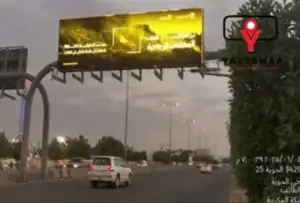
OOH Planning Starts Before You Choose the Media
A billboard, digital screen, mall panel, airport display, or retail activation can all be useful. But none of them are automatically the right answer for every campaign. Outdoor media becomes more effective when it is selected after the business objective is clear, not before.
A restaurant launching a new branch may need visibility along routes leading to the location. A real estate developer may need broad project awareness across selected districts. A retail brand may need a campaign that starts on the road and continues closer to shoppers. A technology brand may need digital creative that brings a product launch or limited offer to life.
This is why outdoor advertising planning should begin with a practical media brief. The brief helps the campaign team compare available locations and formats against the audience, objective, timing, creative requirements, and budget.
A useful media plan answers five things:
who you need to reach, where they are, what they should see, when they should see it, and how the campaign supports a measurable business objective.
Step 1: Define the Campaign Objective
“We need outdoor advertising” is not yet an objective. A stronger objective explains what the campaign is expected to achieve. It can be brand awareness, project recognition, store traffic, product launch visibility, event attendance, app awareness, destination familiarity, or support for a broader marketing campaign.
The objective affects every later decision: the format, the location, the creative, the campaign duration, and how you evaluate the result. For example, a campaign designed for awareness may prioritise repeated visibility, while a campaign designed to support an offer may need a more time-sensitive digital or retail-led media mix.
| Business Objective | Possible OOH Direction | Planning Question |
|---|---|---|
| Build brand awareness | Static billboards, key routes, repeated city visibility | Where can the right audience see the brand repeatedly? |
| Launch a product or offer | Digital OOH, roadside, retail, mall, or mixed media | Does the message need motion, urgency, or multiple creative versions? |
| Increase store or destination visibility | Routes, nearby districts, mall, retail, and local media | Where does the customer travel before making a visit? |
| Launch a major project or campaign | Integrated static, digital, airport, mall, and retail media | Which touchpoints should work together across the customer journey? |
Step 2: Build a Brief That Produces Better Recommendations
The media brief does not need to be long, but it should be specific enough to avoid generic recommendations. It gives the planner context before they begin comparing locations and formats. Without it, the proposal may focus only on what is available rather than what is useful.
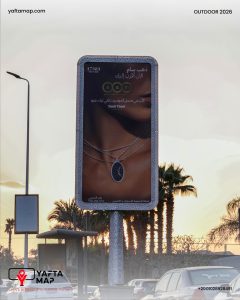
Campaign objective, audience, preferred city, launch date, duration, budget range, business category, and any location preferences.
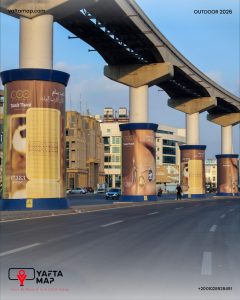
Available options, media formats, location details, campaign duration, production requirements, quotation scope, and next steps.
Your OOH campaign brief should include:
Step 3: Select Cities, Districts, and Customer Routes
Choosing a city is only the first step. A campaign in Riyadh, Jeddah, Dammam, Khobar, or another Saudi city should still consider the relevant district, route, direction of traffic, nearby destinations, and the type of people moving through the area.
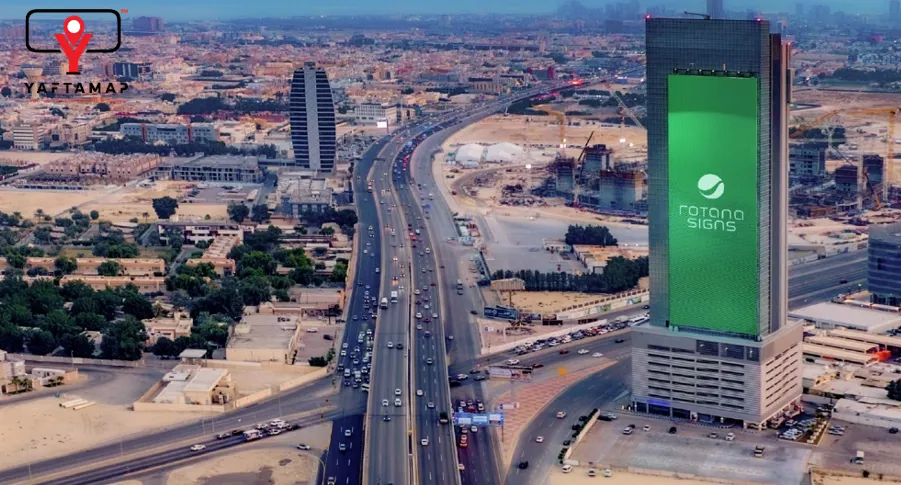
The busiest road is not always the best location. A high-traffic site may be valuable, but it must also be relevant to the intended audience and campaign message. A billboard near the right commercial district, residential area, retail destination, business zone, or route may be more useful than a location with traffic that does not match the customer profile.
Use our guide to
Choose a Billboard Location in Saudi Arabia
to understand how visibility, traffic direction, location context, and campaign objective affect the final selection.
Review every location against the same checklist
- Who is likely to see this media location?
- Is the message visible in the correct traffic direction?
- How much viewing time does the environment allow?
- Does the format fit the campaign objective?
- What surrounding destinations or behaviours make the location relevant?
- Is it available during the required campaign period?
Step 4: Choose Between Static, Digital, and Integrated OOH
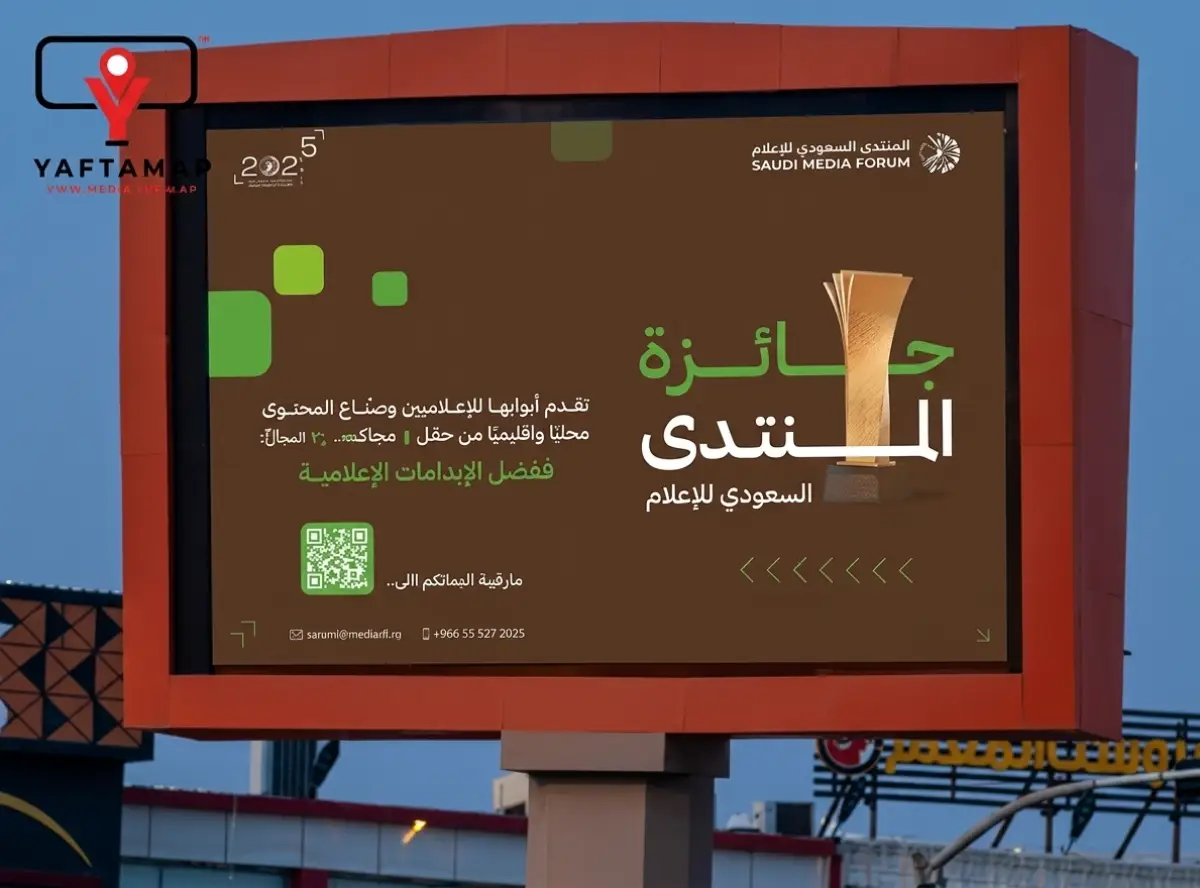
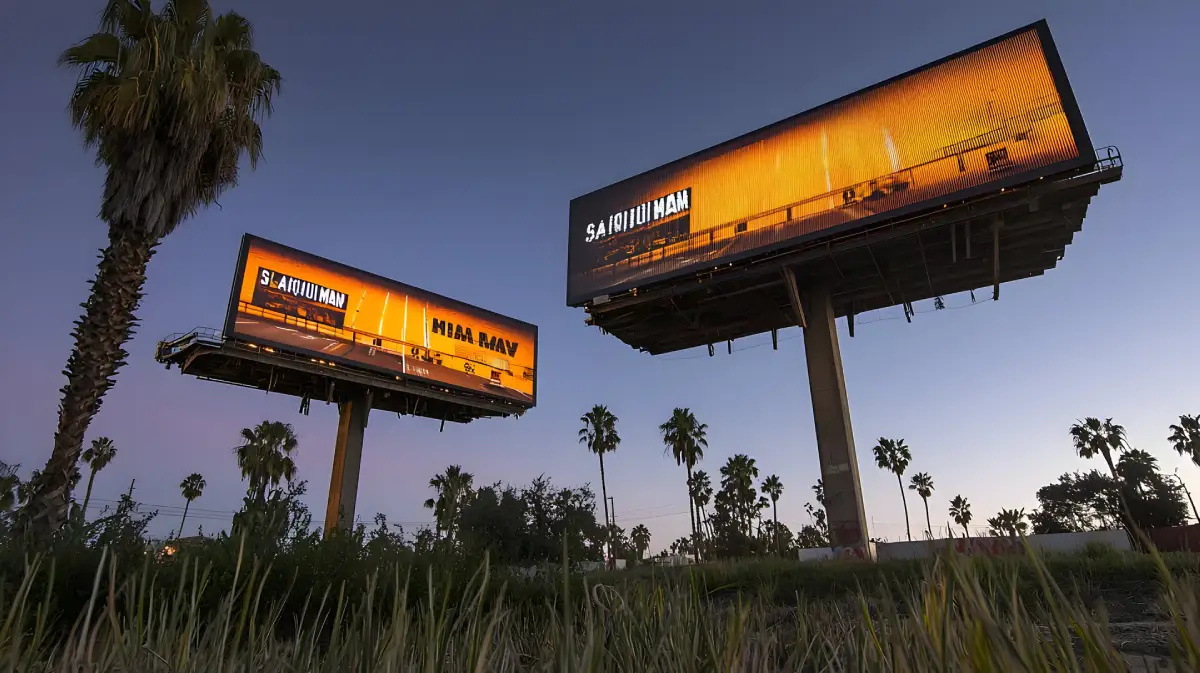
A static billboard is useful when a brand needs sustained presence along a selected route or in a specific district. The same creative remains visible throughout the agreed campaign duration, making it suitable for simple, memorable, long-term brand messages.
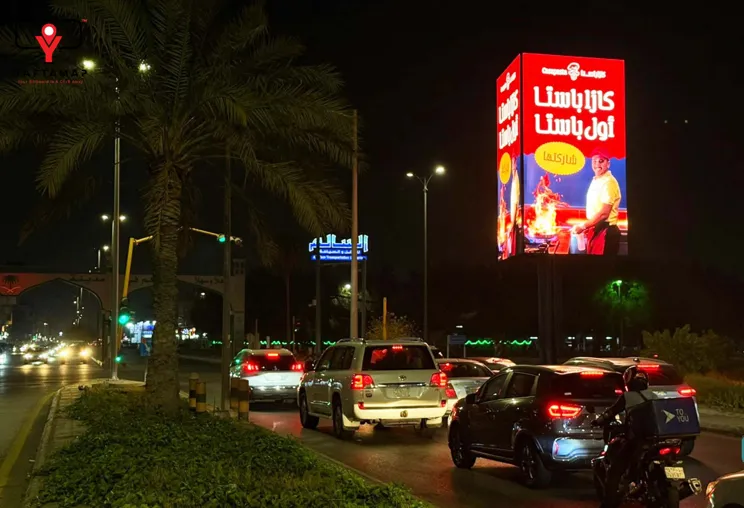
Digital billboards and DOOH formats may be more appropriate when the creative needs motion, video, changing messages, time-sensitive offers, or multiple campaign variations. Mall, retail, airport, transportation, and indoor media can add further touchpoints based on where the audience spends time.
If you are deciding between a static and digital format, read
Digital Billboard vs Static Billboard
before choosing the creative direction or media mix.
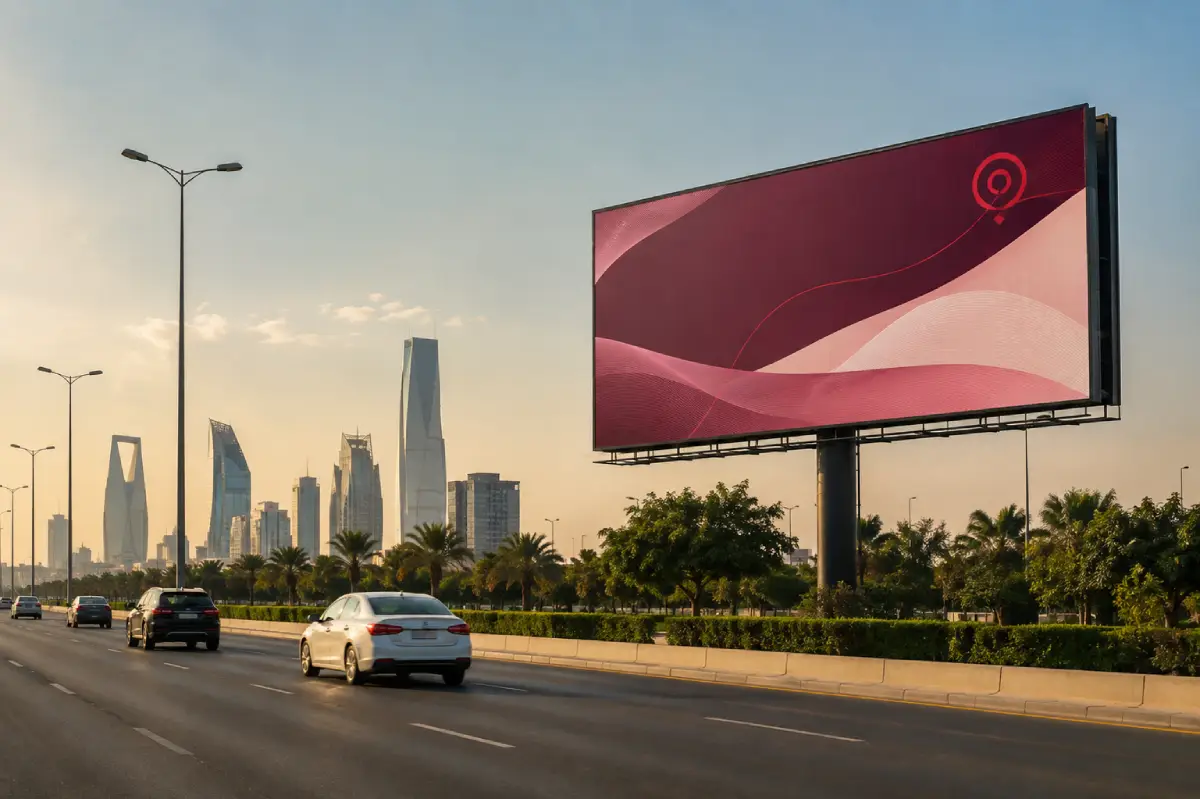
Digital OOH can support motion-led creative, changing campaign messages, and screen-based formats where available.
| Campaign Requirement | Potential Starting Point | Key Planning Detail |
|---|---|---|
| Long-term repeated visibility | Static roadside billboard | Route, viewing direction, printed creative, campaign duration |
| Time-sensitive product launch or offer | Digital billboard or DOOH screen | Screen availability, creative duration, motion design, schedule |
| Retail, food, fashion, or consumer campaign | Roadside OOH plus mall or retail media | Customer journey from awareness to store action |
| Large-scale city campaign | Integrated static, digital, and destination media mix | Coverage, consistency, campaign phases, budget allocation |
Step 5: Plan the Budget Beyond the Billboard Price
A campaign budget should not be evaluated only through the price of one media location. Depending on the campaign, it may include media booking, design, print production, artwork adaptation, installation, digital creative, motion design, monitoring, management, and reporting.
The best OOH budget is not always the one that buys the most media sites. It is the one that gives the campaign an appropriate combination of location quality, media duration, format, creative strength, and operational support.
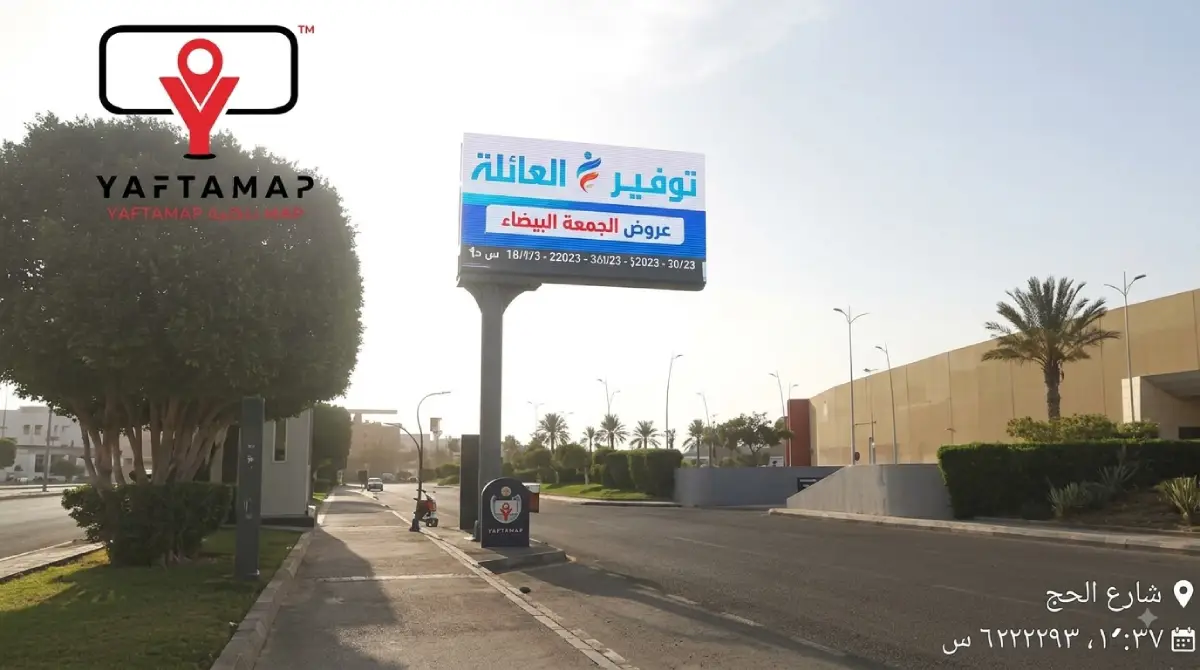
Media format, location, duration, production needs, and availability can all influence the campaign budget.
For a detailed explanation of pricing factors, read
Billboard Advertising Costs in Saudi Arabia
.
The article explains why city, location, format, campaign duration, season, production, and included services should all be clarified before comparing quotations.
Before approving a quotation, confirm:
exact location, media format, campaign dates, production requirements, installation scope, creative specifications, availability status, and what services are included.
Step 6: Prepare Outdoor-Ready Creative
Outdoor advertising creative is different from a social media post, website banner, or presentation slide. People may see a billboard from a distance, while moving, and for only a few seconds. The creative needs one dominant message, strong visual hierarchy, readable text, clear branding, and enough contrast for the real media environment.
Static billboard creative must work as one fixed printed visual. Digital billboard creative may need adapted artwork, video, motion graphics, duration specifications, and screen-ready formats. For creative support, explore
Creative & Design Services in Saudi Arabia
.
Use a clear message, high contrast, a strong main visual, and artwork prepared for exact print dimensions.
Use screen-ready visuals, concise text, suitable movement, and formats adapted to available specifications.
Keep one consistent campaign idea while adapting the design to roadside, digital, mall, retail, or airport environments.
Step 7: Move from Booking to Campaign Launch
Once the media plan, locations, duration, and quotation are approved, the campaign enters the operational stage. This is where booking, creative preparation, production, installation, screen scheduling, campaign launch, monitoring, and proof requirements are coordinated.
Confirm the objective, locations, formats, dates, budget, and scope.
Verify that selected media locations remain available for the campaign period.
Confirm the agreed media, contractual scope, and payment requirements.
Adapt artwork or video files to the required static or digital format specifications.
Coordinate print, installation, screen upload, or other agreed campaign requirements.
Launch the campaign and coordinate agreed monitoring, documentation, or reporting.
For campaigns that need one team to coordinate multiple stages, Yafta Map offers
Full Campaign Management
.
This can support the process from media planning and location selection to creative coordination, execution, monitoring, and campaign reporting.
Common OOH Campaign Planning Mistakes
A cheaper location may not be suitable if it misses the intended audience or campaign objective.
Without an objective, audience, city, and timeline, media recommendations become too generic.
A campaign idea can stay consistent, but the creative should adapt to static, digital, mall, and retail formats.
Media availability, production, design, approvals, and installation all require time before the campaign launch.
How Yafta Map KSA Helps Plan Your OOH Campaign
Yafta Map KSA helps brands move from a general campaign idea to a structured OOH media recommendation. The process begins with your objective, audience, city, timeline, and budget range, then compares available locations and advertising formats that may fit the brief.
Explore
OOH Media Planning & Buying
to understand how a structured media plan can help you allocate the campaign budget more effectively. You can also explore
Mall Advertising in Saudi Arabia
and
Airport Advertising in Saudi Arabia
if the campaign needs to reach shoppers, visitors, or travellers at additional touchpoints.
Ready to Plan Your OOH Campaign?
Share your campaign objective, preferred city, audience, timing, estimated budget, and any location preferences. Yafta Map KSA can help you compare available billboard, digital, mall, retail, airport, and other OOH media options.
Whether you are preparing a single billboard booking or a wider multi-format campaign, our team is ready to answer your questions and help you shape the right media plan.
Frequently Asked Questions
What is included in an OOH campaign plan?
An OOH campaign plan can include campaign objectives, target audience, city and location recommendations, media formats, timing, budget allocation, creative requirements, production needs, booking steps, and execution planning.
How do I choose between static and digital billboard advertising?
Choose based on the campaign objective, content type, duration, audience journey, available locations, and creative needs. Static billboards often support lasting visibility, while digital billboards can support motion-led or flexible messaging.
Can Yafta Map KSA help with booking and campaign execution?
Yes. Depending on the campaign requirements, Yafta Map KSA can support location comparison, OOH media planning, creative coordination, media booking, production, campaign execution, monitoring, and reporting.